+86 13472864215 ess3@ivy-metering.com

A smart energy meter is an electronic electricity meter designed to measure electrical energy while also providing additional data and communication capabilities. Unlike a traditional electricity meter that mainly records total energy consumption, a smart meter can provide detailed information about voltage, current, power, power factor, frequency, active energy and other electrical parameters.
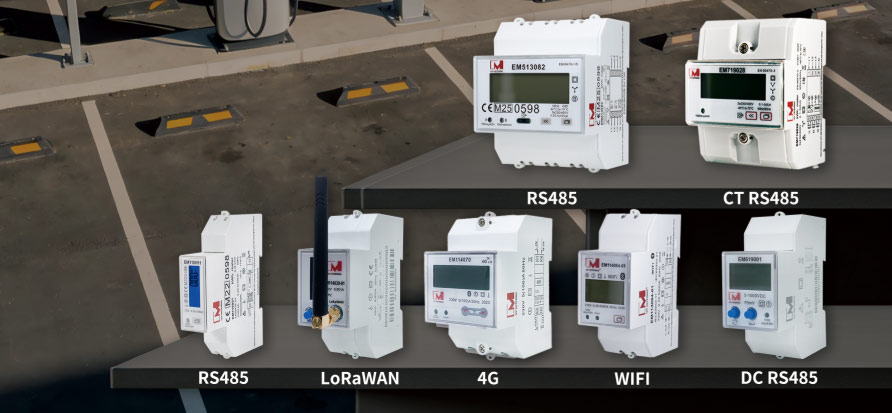
Depending on the model, a smart electricity meter may communicate through RS485 Modbus, WiFi, LoRaWAN, 4G or other communication technologies. This allows metering data to be transferred to a local monitoring system, gateway, cloud platform or energy management system.
For factories, commercial buildings, renewable energy systems and property management projects, this means electricity consumption can be monitored without relying entirely on manual meter reading.
Why Are More Businesses Choosing Smart Electricity Meters?
Traditional electricity meters can tell users how much electricity has been consumed, but they often provide limited information about where, when and how that electricity is being used.
This becomes a problem when a facility has multiple machines, production lines, offices, tenants or electrical distribution circuits. Knowing the total electricity consumption of an entire building is useful, but it may not be enough to identify which area is consuming the most energy.
A smart energy meter provides more detailed electricity data. By installing meters at different circuits or equipment levels, businesses can gain better visibility into energy consumption and make decisions based on actual measurement data.
For example, a factory can install smart meters on different production lines to compare their electricity consumption. A commercial building can monitor HVAC, lighting and other electrical loads separately. A property manager can use individual meters to measure electricity consumption for different apartments or tenants.
The smart meter itself does not reduce electricity consumption. Its main value is providing accurate and accessible energy data that can be used to identify energy waste and improve energy management.
How Does a Smart Energy Meter Work?
A smart electricity meter measures electrical parameters through its internal measurement circuit or external current transformer, depending on the meter design.
The meter calculates electrical energy consumption based on measured voltage and current. Advanced models can also measure parameters such as active power, reactive power, power factor and frequency.
The measured data can then be stored inside the meter and transmitted through its communication interface.
For wired systems, RS485 with Modbus RTU is one of the commonly used communication methods because multiple meters can be connected to the same communication bus and integrated with PLCs, gateways, building management systems or energy management systems.
For wireless applications, technologies such as LoRaWAN, WiFi and 4G can reduce the need for long communication cables and make remote energy monitoring easier to implement.
The communication method should therefore be selected according to the project environment, network architecture and monitoring requirements rather than simply choosing the most advanced communication technology.
What Can a Smart Energy Meter Monitor?
A smart energy meter can provide much more information than a basic electricity meter.
Depending on the model, users may monitor active energy, reactive energy, voltage, current, active power, power factor, frequency and forward or reverse energy. Some meters can also provide additional functions such as multi-rate metering, demand measurement, event recording, alarm information or remote control through an integrated relay.
This additional information is particularly valuable in industrial and commercial applications.
For example, if a machine consumes significantly more electricity than expected, the energy management system can identify the abnormal consumption through meter data. If a building continues to consume a large amount of electricity outside normal working hours, the monitoring system can also help identify potential energy waste.
Instead of simply knowing the monthly electricity bill, users can understand the actual electricity consumption pattern of their facilities.
Smart Energy Meter Communication: RS485, WiFi, LoRaWAN or 4G?
Communication is one of the most important factors when selecting a smart electricity meter.
RS485 Modbus meters are suitable for projects that already have wired communication infrastructure or require integration with industrial control and energy management systems. They are widely used for connecting multiple meters to a central monitoring system.
WiFi energy meters are convenient for applications where a wireless local network is already available. They can be useful for residential, commercial and small-scale energy monitoring projects.
LoRaWAN energy meters are designed for long-range wireless communication and are particularly useful for distributed metering applications. Multiple meters can communicate with a LoRaWAN gateway without requiring individual network cables for every meter.
4G energy meters provide cellular communication and can be used for remote monitoring where local network infrastructure is limited or where meters are distributed across different locations.
The right choice depends on the project. A factory with existing RS485 infrastructure may benefit from Modbus meters, while a distributed property or remote energy monitoring project may be better suited to LoRaWAN or 4G communication.
Where Are Smart Energy Meters Used?
Smart electricity meters are used in many applications where accurate energy measurement and data communication are required.
Industrial Energy Monitoring
Factories can install smart meters on production lines, machines, workshops or distribution panels to monitor electricity consumption in different areas. This helps energy managers understand production energy usage and identify abnormal consumption.
Commercial Buildings
Office buildings, shopping centers, hotels and other commercial properties can use smart energy meters to monitor lighting, HVAC systems, power distribution and individual areas.
Apartment and Tenant Submetering
Smart meters can be installed for apartments, rental properties and commercial tenants to measure individual electricity consumption. Communication functions can reduce the need for manual meter reading and simplify centralized data collection.
Solar and Renewable Energy Systems
Smart electricity meters can be used in photovoltaic systems to monitor energy generation, consumption and grid interaction. Bidirectional energy meters are particularly useful for applications where electricity can flow in both directions.
Energy Management Systems
Smart meters are often used as field-level measurement devices in an Energy Management System. Multiple meters can collect electricity data and send it to a gateway or software platform for centralized monitoring and analysis.
How to Choose the Right Smart Electricity Meter?
Choosing a smart meter should start with the electrical system rather than the communication technology.
The first consideration is whether the application requires single-phase or three-phase metering. The rated voltage and maximum current must also match the electrical system.
For high-current applications, a CT-operated energy meter may be more appropriate than a direct-connected meter. For standard low-current applications, a direct-connected DIN rail meter may provide a simpler installation.
The communication method is another important consideration. If the project requires integration with an existing industrial system, an RS485 Modbus meter may be the most practical option. If remote wireless monitoring is required, WiFi, LoRaWAN or 4G can be considered according to network availability and installation conditions.
Accuracy is also important, especially for billing, tenant submetering, commercial energy management and renewable energy applications. Depending on the target market and project requirements, customers may also need specific certifications such as MID certification for certain European metering applications.
Other requirements may include bidirectional measurement, prepaid functionality, a built-in relay, multi-rate metering, pulse output, data storage or compatibility with a specific energy management platform.
A suitable smart energy meter should therefore be selected based on the complete project requirements rather than only the meter price.
Smart Meter Manufacturer for Different Energy Monitoring Projects
For customers purchasing smart electricity meters, the most suitable product depends on the electrical system, communication method and application requirements.
A professional smart meter manufacturer should be able to provide different meter configurations for residential, commercial, industrial, solar and submetering applications.
For example, a project may require a single-phase WiFi energy meter for remote monitoring, a three-phase RS485 Modbus meter for industrial energy management, a LoRaWAN meter for distributed buildings, or a CT-operated meter for high-current applications.
Customization may also be required when standard products cannot fully meet the project's electrical specifications, communication requirements or installation conditions.
Working directly with a manufacturer can make it easier to confirm technical specifications, communication protocols, wiring requirements, certifications and project quantities before placing an order.
Frequently Asked Questions About Smart Energy Meters
What is the difference between a smart meter and a traditional electricity meter?
A traditional electricity meter mainly measures and records electricity consumption. A smart energy meter provides more detailed electrical data and can communicate that information to another device or monitoring system.
Can a smart energy meter communicate with an energy management system?
Yes. Many smart meters support communication protocols such as Modbus RTU through RS485. Other models can use WiFi, LoRaWAN or 4G to transmit metering data to a gateway or remote monitoring platform.
Is RS485 Modbus suitable for industrial energy monitoring?
Yes. RS485 Modbus is widely used for industrial energy monitoring because multiple meters can be connected to a communication bus and integrated with PLCs, gateways and energy management systems.
Should I choose a WiFi, LoRaWAN or 4G energy meter?
The answer depends on the project environment. WiFi is suitable where local wireless networks are available, LoRaWAN is useful for long-range distributed metering, and 4G is suitable for remote locations that require cellular communication.
Can a smart meter measure solar energy?
Yes. Depending on the product design, smart meters can be used in photovoltaic and other renewable energy applications. Bidirectional energy meters can measure energy flowing in both directions, which is useful for grid-connected solar systems.
What information should I provide when requesting a smart meter quotation?
To select the right meter, customers should normally provide the phase type, voltage, current range, installation method, communication requirement, accuracy requirement, application and estimated quantity. Certification requirements and special functions should also be specified if applicable.
Choose the Right Smart Energy Meter for Your Project
A smart energy meter is more than a device for calculating electricity consumption. It is an important data collection device for modern energy monitoring and management systems.
With accurate measurement and suitable communication technology, smart meters can help factories, commercial buildings, property managers and renewable energy projects obtain clearer electricity consumption data and build more efficient energy monitoring systems.
If you are looking for a smart electricity meter for your project, the right solution should be selected according to your electrical system, communication requirements, installation method and application.
Whether you need an RS485 Modbus energy meter, WiFi energy meter, LoRaWAN energy meter, 4G energy meter or a CT-operated smart electricity meter, choosing the correct configuration at the beginning can make system integration and future energy management much easier.
IVY METERING CO., LTD.


